What's the difference between fibre and wireless broadband?

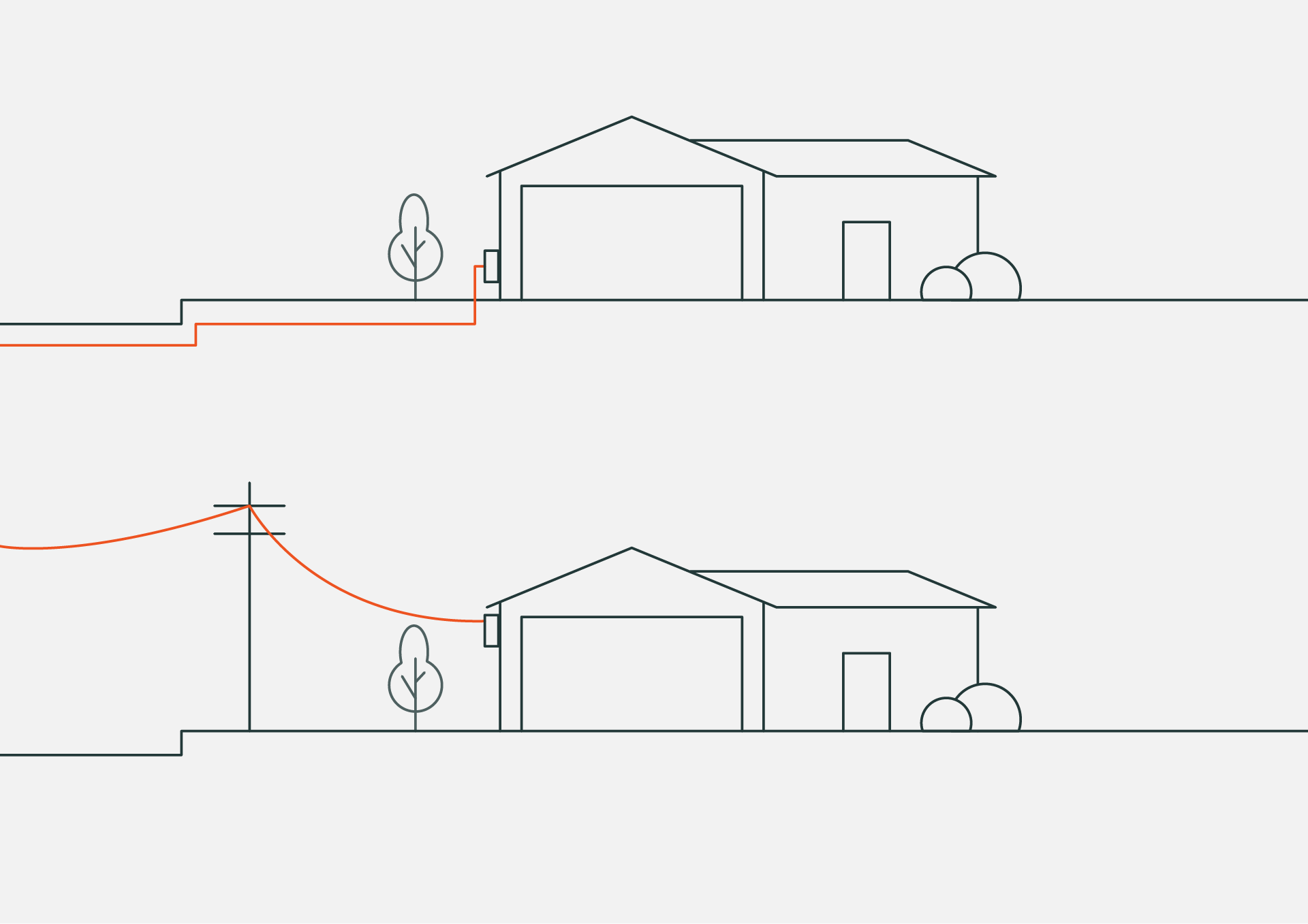
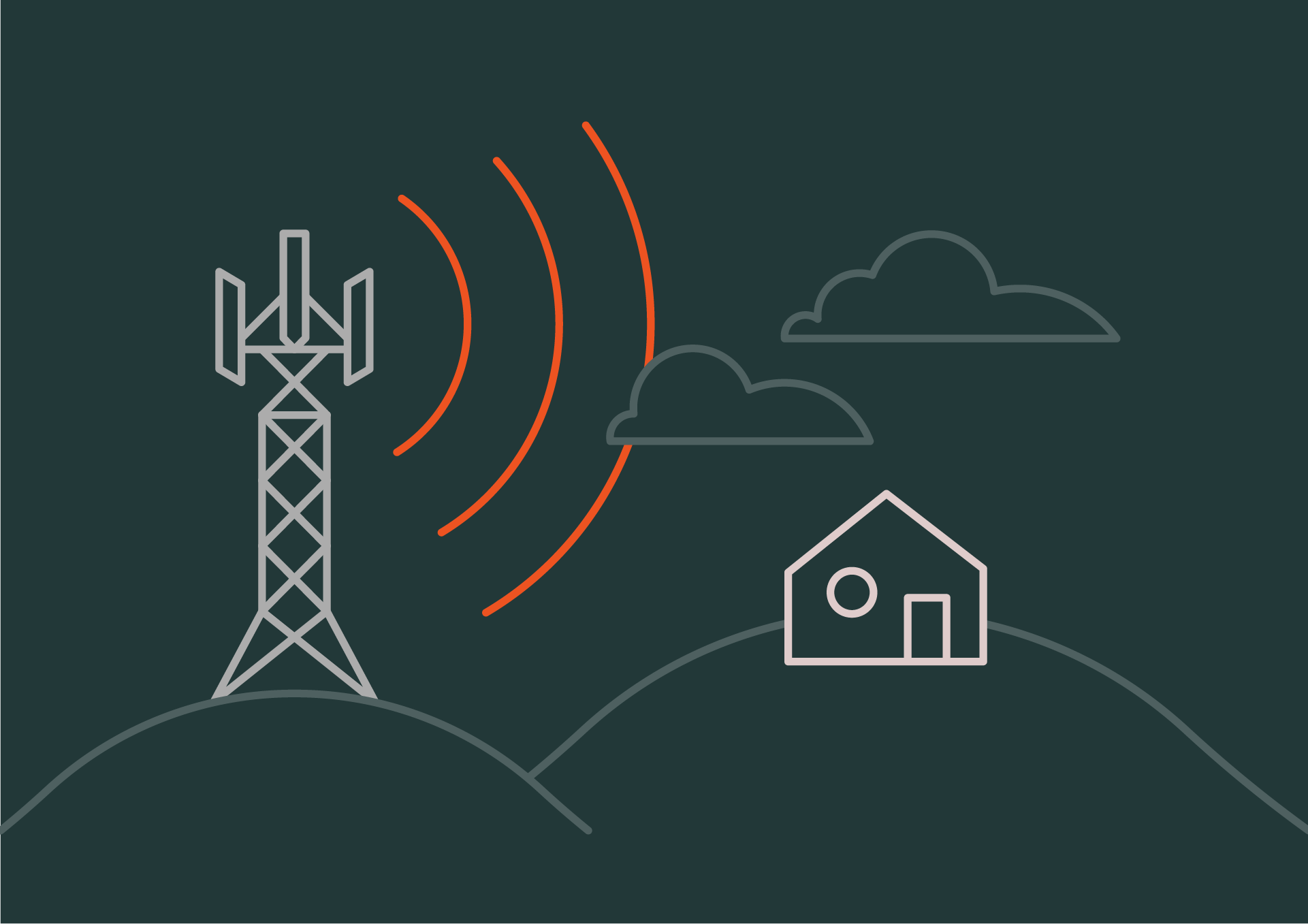
While wireless broadband and fibre can both get your household online, they work in very different ways. Wireless broadband connects your home using a wireless signal from a nearby mobile tower. Fibre uses a physical fibre optic cable installed directly to your property. That difference matters.

And just to clear up a common misconception, Wi-Fi isn't the same as Wireless Broadband. Wi-Fi is simply how your router shares your internet connection with devices around your home, whether you're using fibre or wireless broadband.

For everyday internet use like streaming, working from home, gaming, video calls, cloud backups, smart devices and big downloads, fibre is built to deliver high speeds, low latency and consistent performance for busy households.

If you're considering fibre, the first step is to check whether it's available at your address. You might be surprised to find your home already has fibre installed.

Independent broadband testing

The Commerce Commission’s Measuring Broadband New Zealand (MBNZ) programme independently measures broadband performance across different providers, plans and technologies. MBNZ results show fibre performing strongly across key measures such as download speed, upload speed, latency and streaming performance.

For the latest MBNZ results > click here.

For most households, the practical difference shows up when several people are online at once, when you’re uploading files, when you’re gaming, or when the whole house is streaming at peak times.

How do they compare?

What matters at home
Fibre broadband
Wireless broadband

How it connects

Uses a dedicated fibre line from a nearby fibre cabinet to your home

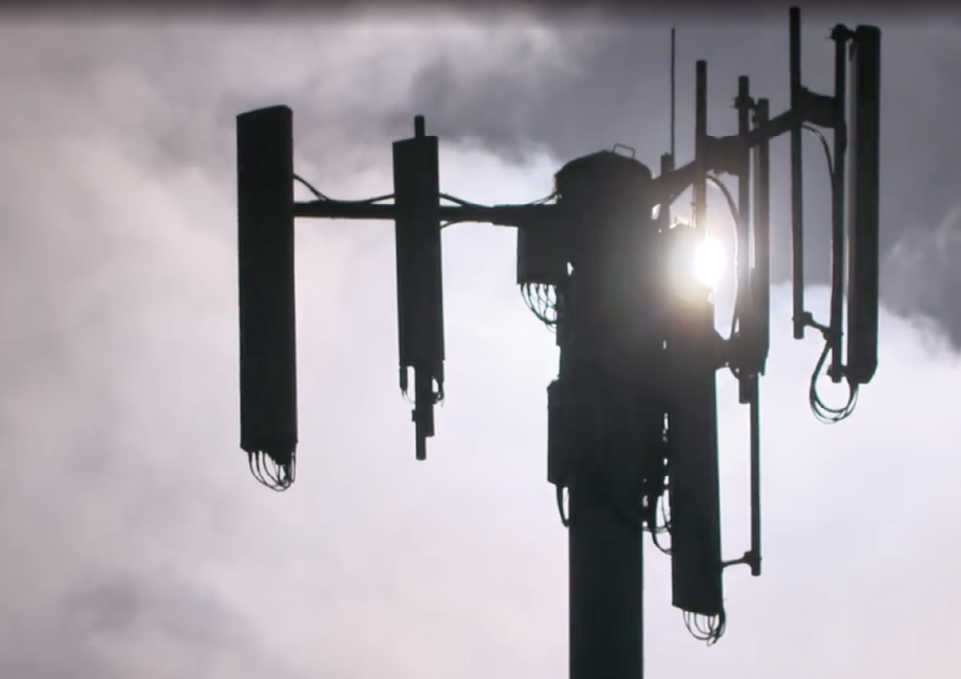
Uses a shared 4G or 5G wireless signal from a nearby mobile tower

Speed

Offers a range of speed options, including high-speed plans for busy homes. MBNZ testing has shown fibre delivers higher average speeds than 4G Wireless Broadband

Speeds may vary depending on signal strength, distance from the tower, network capability and how many others are using the same cell site

Reliability

A fixed line connection designed to deliver consistent home broadband performance

Performance can vary more because it relies on wireless signal conditions and shared mobile network capacity

Latency

Lower latency, which helps with gaming, video calls and real-time apps

Latency is higher and can vary more because the connection travels over a wireless network

Upload performance

Strong upload performance for video calls, cloud backups, file sharing and working from home

4G Wireless Broadband upload speeds are typically lower than fibre in MBNZ testing

Multiple devices

Well suited to households with lots of connected devices

May be more constrained when several people are online at once, depending on signal, tower capacity and household usage

Signal and network conditions

Does not rely on a mobile signal to reach your home

Can be affected by signal strength, location, building materials, modem placement and network conditions

Future readiness

Designed to support high-capacity broadband plans and growing household demand

Performance depends on wireless network capacity, spectrum, signal conditions and shared cell-site usage

Well suited to

Busy homes with multiple people or devices, and households that stream, work, game, upload or download large files

Homes where fibre is not available, or households looking for a simple connection where Wireless Broadband meets their needs

Performance claims are based on Commerce Commission Measuring Broadband New Zealand results available at the time of publication of this page. MBNZ results are updated periodically. Actual performance may vary by provider, plan, address, equipment, router/Wi-Fi setup, network conditions and household usage. Visit the Commerce Commission’s Measuring Broadband New Zealand dashboard for the latest results.

Your in-home Wi-Fi setup matters too. Even with fibre, router quality, router placement, home layout and device capability can affect the experience on your devices. > Check out our broadband tips

So, what is wireless broadband?

Wireless broadband uses a wireless signal to connect your home to the internet. Your router talks to a nearby mobile tower, often using the same type of 4G or 5G network that mobile phones use. Wireless broadband can be quick to set up and useful where fibre is not available.

But because wireless broadband relies on a shared wireless signal, performance can change depending on where you live, the strength of the signal, the capability of the network, and how many people are using the same tower at the same time.

In simple terms: Wireless broadband can be a practical option, especially in rural NZ where fibre is not available.

What is fibre?

Fibre broadband uses tiny strands of glass to send data using light. It sounds fancy, but the benefit is simple: fibre is purpose-built for high-speed broadband.

With fibre, your home is connected by a physical fibre line, rather than relying on a wireless signal from a tower. That means fibre has the capacity to handle the way modern households use the internet today.

Streaming in 4K, downloading games, jumping on Teams calls, backing up photos, helping kids with online learning, scrolling, gaming, browsing, smart TVs, phones, tablets, security cameras, robot vacuums, fridges that apparently need Wi-Fi now. Fibre is well suited to the way modern households use the internet.

Why fibre is great for busy homes

Think video calls in one room, Netflix in another, gaming updates downloading in the background, phones scrolling, and smart devices all connected at once.

Fibre delivers more consistent performance

A Wireless Broadband connection can perform well in the right conditions, but those conditions can change. Signal strength, tower capacity, modem placement and local network conditions can all affect performance.

Fibre is different because it uses a physical fibre connection to your property. That makes it a strong choice for households that want a more consistent connection throughout the day.

That matters most at the exact time everyone wants to use the internet: evenings, weekends, school holidays and rainy days when the whole household is online.

Fibre is well suited to multiple devices

The average home is no longer just one laptop and a phone.

It is smart TVs, gaming consoles, tablets, phones, laptops, smart speakers, security cameras, watches, printers and all the mysterious devices that seem to appear on your Wi-Fi list with names like “unknown device 7”.

Fibre gives your household the capacity to do more at once. One person can stream, another can video call, someone else can game, and the kids can still watch something - all at the same time. MBNZ testing has consistently shown fibre performs strongly for high-demand household activities like streaming.

Fibre is well suited to working from home

Video calls, cloud documents, VPNs, file sharing and online meetings all benefit from a stable connection, low latency and strong upload performance.

Speed is important, but consistency is what stops the frozen faces, awkward delays and “sorry, you go” moments.

Fibre’s low latency and strong upload performance make it a strong fit for modern work-from-home life.

Fibre is well suited to gaming

Gamers know it is not just about download speed. Latency matters too.

Lower latency reduces lag, which is important for online gaming, livestreaming, voice chat and real-time apps. The latest Commerce Commission MBNZ testing shows fibre has significantly lower latency than 4G Wireless Broadband, helping deliver a smoother, more responsive online experience.

Wireless Broadband can work for gaming, but because it relies on a wireless signal and shared mobile network capacity, latency and performance can vary more. Fibre is a strong choice for gamers who want a smoother, more reliable connection.

MBNZ testing shows fibre can download large games much faster than 4G Wireless Broadband. In the latest testing, estimated download times for a 79.5GB game were around five hours on 4G Wireless Broadband, compared with 15 minutes or less on Fibre Max. Don't spend your evening waiting for your game to download!

Fibre offers strong upload performance

Most people think about downloads: streaming movies, loading websites, downloading apps and updating games. But uploads matter too.

Uploads matter when you are:

  • sending large files
  • backing up photos or videos
  • using cloud storage
  • posting videos online
  • joining video calls
  • livestreaming
  • working remotely

MBNZ testing has shown fibre delivers stronger upload performance than 4G Wireless Broadband.

Fibre supports growing data use

The way we use the internet keeps growing.

More devices. Bigger files. Higher-quality streaming. Smarter homes. More cloud-based services. More online learning, working and entertainment.

The average monthly fixed-line broadband data usage per connection has soared from just 12GB in 2011 to 648GB in 2024/25.

Once fibre is installed at your property, you have a physical fibre connection in place, ready to support your broadband needs now and into the future as faster plans and new technologies become available.

In short: fibre supports high-capacity broadband plans.

Is wireless broadband ever the right choice?

Yes. Wireless Broadband has its place.

It can be a practical option if fibre isn't available at your address, or if you're looking for a simple connection that meets your household's needs.

However, where fibre is available, it offers significant performance advantages. Independent MBNZ testing shows fibre performing strongly across key measures including speed, uploads and latency, making it a strong choice for busy, connected households.

Already have fibre at your property?

Over 90% of homes in Tuatahi’s network area already have fibre installed. That means your property may be fibre-ready, even if you are not currently on a fibre broadband plan.

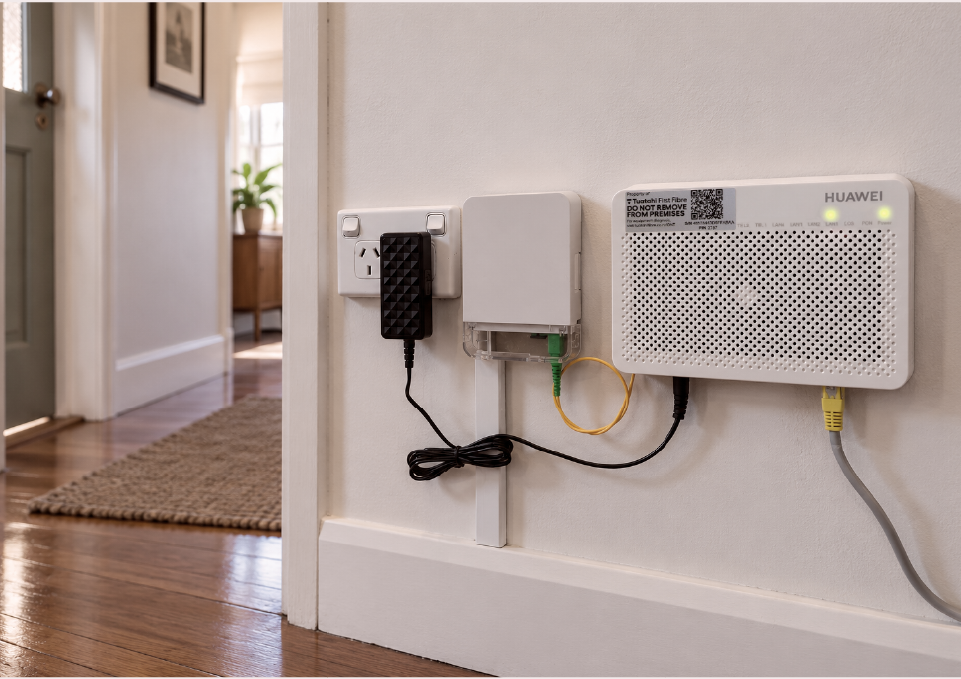
In many cases, the fibre equipment is already there, and you may simply need to choose a fibre plan with an internet service provider.

And if you haven’t got fibre at your place yet, it might be easier to get connected than you think. Pop your details in here and we’ll help you through the next steps: > Get fibre ready

Tuatahi First Fibre does not sell broadband plans directly. We build and maintain the fibre network. Your internet service provider sells you the broadband plan that runs over that network.

How to switch from wireless broadband to fibre

Check fibre availability

Use our address checker to see if fibre is available at your property and whether it’s already installed. > Check your address

Choose a fibre plan

Choose a fibre broadband plan from an internet service provider that operates in your area. > Choose a provider

Get connected

Your internet service provider will arrange the switch and, if needed, the installation of your fibre connection.

Frequently asked questions

    Is Wireless Broadband the same as Wi-Fi?
    What are the advantages of fibre over Wireless Broadband?
    Can I switch from Wireless Broadband to fibre?
    Where can I compare fibre and wireless broadband plans available in my area?
    Is 5G Wireless Broadband as good as fibre?
    Can Wireless Broadband be faster than fibre?
    Is fibre better for gaming?
    Is fibre better for working from home?
    Why does my Wireless Broadband speed change?
    Will fibre fix my Wi-Fi problems?
    Is Wireless Broadband cheaper than fibre in New Zealand?
    Can I get fibre at my house?

    Choose the connection built for modern life

    Wireless Broadband can be a useful option when fibre is not available. But where fibre is available, fibre is a strong performance choice for busy, connected homes.
    For streaming, working, gaming, learning, uploading, scrolling, sharing and keeping the whole household connected, fibre is a strong broadband choice for modern Kiwi homes.

    Check if fibre is available at your place today.

    Performance claims are based on Commerce Commission Measuring Broadband New Zealand results available at the date this page was last reviewed. MBNZ independently measures broadband performance across providers, plans and technologies and is updated periodically. Actual performance may vary by internet service provider, plan, address, equipment, Wi-Fi/router setup, network conditions and household usage. Visit the Commerce Commission’s Measuring Broadband New Zealand dashboard for the latest results. Tuatahi First Fibre is a wholesale fibre network operator and does not sell broadband plans directly.


    Last reviewed: October 2026

    © Copyright 2026 Tuatahi First Fibre. All Rights Reserved.

    Chat with us